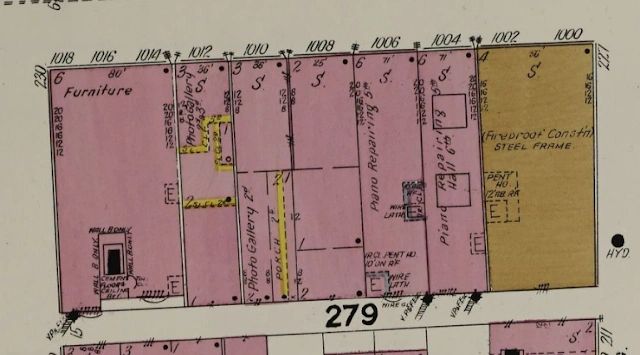


Ever walk down Olive Street downtown and wonder about the grand old buildings? You might be surprised to learn that St. Louis was once a bustling hub for piano manufacturing, with a vibrant “Music Row” or “Piano Row” that rivaled some of the nation’s biggest music centers.
A City Tuned to Music
In the late 19th and early 20th centuries, the piano wasn’t just an instrument; it was the centerpiece of American homes, a symbol of culture and entertainment. St. Louis, with its growing population and a strong influx of German immigrants who brought a rich musical tradition with them, was perfectly positioned for this industry to flourish. Germans established choral societies (sängerbunds) and lively beer gardens with live music, creating a huge demand for pianos in homes across the city.
“Piano Row”: The Heart of the Music Scene
If you strolled down Olive Street between Ninth and Twelfth Streets in those days, you’d be surrounded by music. This stretch became known as “Piano Row” or “Music Row,” packed with piano manufacturers and showrooms.
Some of the key players included:
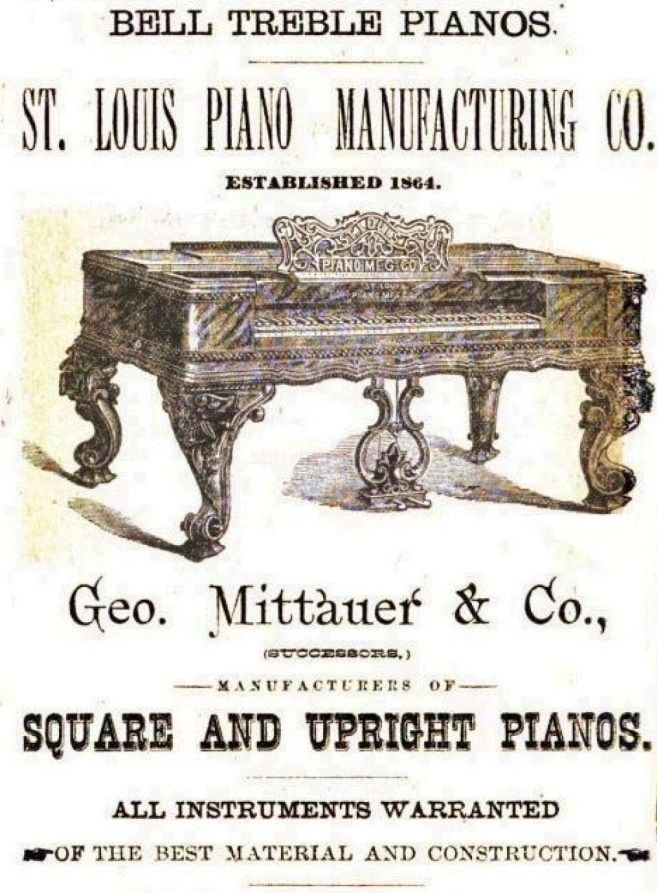
- The St. Louis Piano Manufacturing Company (1864-1883): One of the earliest local firms, known for its elaborate, high-quality square grand pianos made from exotic woods.
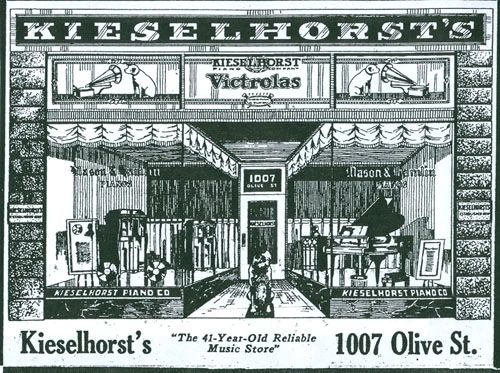
- Kieselhorst Piano Company (1879-1930): This company started as a retail store and grew into a major manufacturer, selling their own “Kieselhorst Upright Piano” and “Kieselhorst Player-Piano”. They were savvy, embracing new technologies like player pianos, Victrolas, and even early radios. Their headquarters at 1007 Olive Street is now on the National Register of Historic Places.
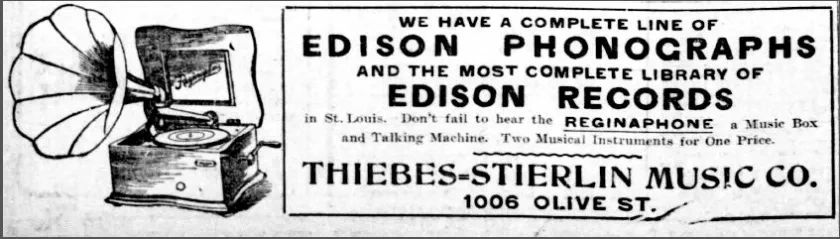
- Thiebes-Stierlin Music Company (1893-1919): Founded by a former piano tuner, this company also manufactured pianos and other instruments like mandolins and guitars. They built a grand new home at 1006 Olive Street in 1905, right next to a competitor, solidifying “Piano Row”. This building is still standing today.
Even national giants like Baldwin recognized St. Louis’ importance, with a Baldwin concert grand piano winning a prestigious Grand Prix Award at the 1904 International Exposition right here in St. Louis.
The Fading Melody: Why the Industry Declined
The piano’s golden age couldn’t last forever. New forms of entertainment like radio and, later, television, started to “chip away” at its popularity. The player piano, once a booming trend, saw sales plummet by 86% by 1929 as people opted for improved radios and phonographs.
Then came the Great Depression. With widespread bank failures and unemployment, a piano became “the ultimate deferrable purchase”. National piano sales, which had peaked at over 365,000 units in 1909, crashed to just 27,000 by 1932—a staggering 90% drop. Many St. Louis companies, like Kieselhorst, made the difficult decision to close their doors, often while still financially sound, recognizing the irreversible shift in the market.
The Enduring Resonance: St. Louis’ Piano Legacy Today
While large-scale piano manufacturing is a thing of the past in St. Louis, the city’s musical heritage lives on.
- Architectural Echoes: Many of the beautiful buildings that once housed piano businesses on Olive Street still stand. The former Thiebes-Stierlin building at 1006 Olive Street is now part of the “Ludwig Collection,” offering boutique apartments and retail spaces. The Kieselhorst Piano Company Building at 1007 Olive Street is now office space. These repurposed structures are a tangible link to our city’s industrial and cultural past.
- Craftsmanship Endures: Today, local businesses like Burd and Sons Piano Service continue the tradition of piano care, specializing in tuning, repairing and refurbishing instruments. This ensures that the beautiful pianos from St. Louis’ past, and others, can continue to make music for generations to come.
So, the next time you’re downtown, take a moment to look up at those historic buildings on Olive Street. They’re not just old bricks and mortar; they’re silent witnesses to a time when St. Louis played a significant role in bringing music into American homes, a hidden harmony in our city’s rich history.